All About Peptides - Types - Side Effects - And More..
All About Peptides
Peptides are short chains of amino acids—the building blocks of proteins—typically containing 2 to 100 amino acids (longer chains are classified as proteins). Your body naturally produces thousands of peptides that regulate essential functions like hormone signaling, digestion, immune response, and tissue repair. Scientists have synthesized peptides since the 1920s (insulin was the first), leading to more than 100 FDA-approved peptide-based drugs today.
In recent years, peptides have gained massive popularity in wellness, anti-aging, bodybuilding, and skincare circles. However, hype often outpaces rigorous evidence, especially for “research-only” compounds. This article provides a balanced, evidence-based overview covering types, uses, side effects, suitability, stacks, and legality. Important disclaimer: This is not medical advice. Many peptides discussed lack FDA approval for the uses promoted online. Always consult a qualified healthcare provider before considering any peptide therapy. Self-administration carries significant risks.
Types of Peptides
Peptides are classified by source, length, function, or application:
- Naturally Occurring vs. Synthetic
- Naturally found in foods (e.g., bioactive peptides from eggs, milk, soy, fish, or collagen-rich sources).
- Synthetic versions are lab-made to mimic or enhance natural ones, often with modifications for stability or potency (e.g., longer half-life).
- By Primary Function/Application:
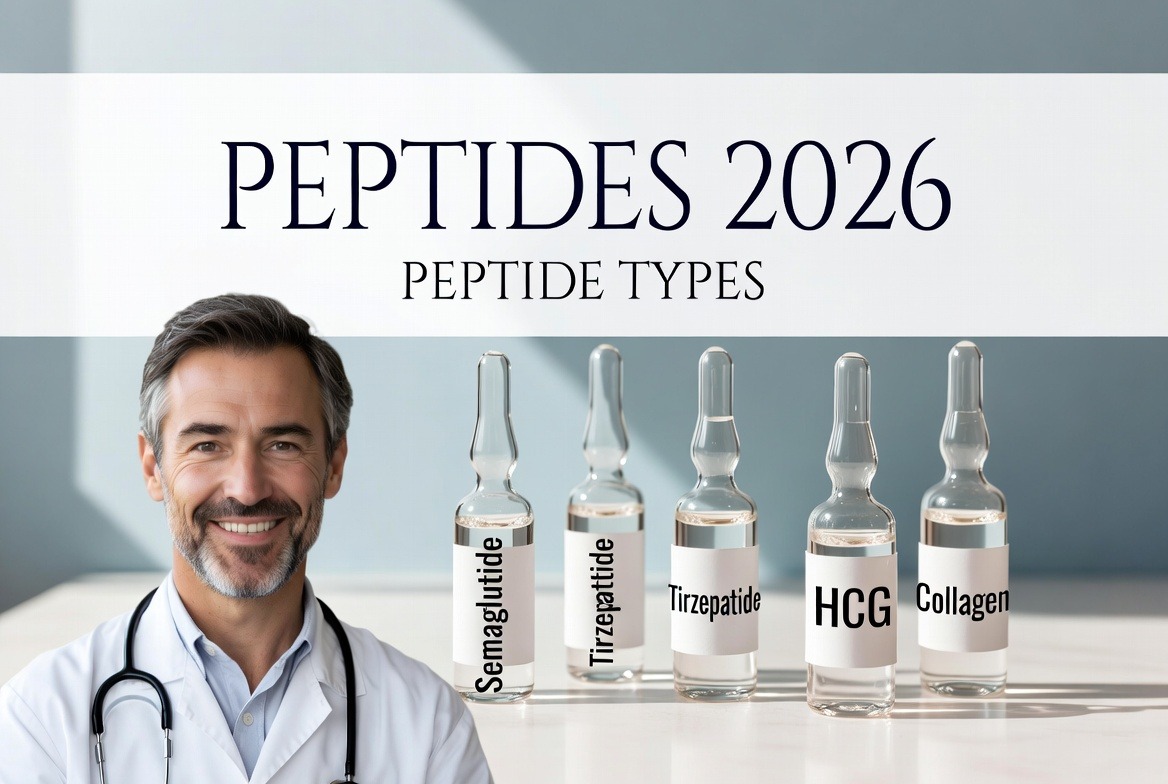
- Hormonal and Metabolic Peptides: Insulin (51 amino acids) for blood sugar control; GLP-1 receptor agonists like semaglutide (Ozempic/Wegovy) and tirzepatide for type 2 diabetes and weight management.
- Growth Hormone-Related (GHS – Growth Hormone Secretagogues): CJC-1295, Ipamorelin, Sermorelin, Tesamorelin, and GHRP-2/6 stimulate the body’s natural growth hormone (GH) release in a pulsatile manner.
- Healing and Regenerative Peptides: BPC-157 (Body Protection Compound-157, derived from gastric juice) and TB-500 (Thymosin Beta-4 fragment) promote angiogenesis, tissue repair, and reduced inflammation.
- Cosmetic/Skincare Peptides (usually topical):
- Signal peptides (e.g., palmitoyl pentapeptide-4/Matrixyl): Mimic injury signals to boost collagen and elastin production.
- Carrier peptides (e.g., GHK-Cu/copper tripeptide-1): Deliver trace minerals like copper to support enzymatic repair and antioxidant activity.
- Neurotransmitter-inhibitory peptides (e.g., acetyl hexapeptide-8/Argireline): Relax facial muscles to reduce dynamic wrinkles (Botox-like effect without injections).
- Enzyme-inhibitory peptides: Slow collagen breakdown by inhibiting enzymes like matrix metalloproteinases.
- Other Therapeutic Peptides: Teriparatide/abaloparatide (osteoporosis), carfilzomib (multiple myeloma), linaclotide (IBS), enfuvirtide (HIV), and many more.
- Approved Pharmaceuticals vs. Research/Compounded Peptides Over 100 peptides are FDA-approved as drugs. Popular “research” peptides (BPC-157, TB-500, many GHS) are sold online labeled “for research use only” and are not approved for human consumption in most contexts.
Why Are Peptides Used? (Benefits and Evidence)
Approved Medical Uses (Strong Evidence):
- Diabetes and weight management (GLP-1 agonists dramatically improve glycemic control and promote substantial fat loss while preserving muscle in many patients).
- Osteoporosis (teriparatide builds bone).
- Cancer, chronic pain, HIV, IBS, and malabsorption syndromes.
- These drugs undergo rigorous clinical trials and have well-characterized benefits and risks.
Skincare and Anti-Aging (Moderate Evidence for Topicals): Collagen peptides (oral supplements) and topical signal/carrier peptides can improve skin hydration, elasticity, thickness, and reduce wrinkles. Studies show benefits for photo-aged skin and wound healing. GHK-Cu has antioxidant and reparative properties.
Performance, Recovery, and Wellness (Limited Human Evidence for Many Research Peptides):
- Muscle growth & recovery: GHS peptides may support lean mass via increased GH/IGF-1. BPC-157 and TB-500 show promising animal data for tendon/ligament healing, gut repair, and reduced inflammation.
- Fat loss: AOD-9604 (HGH fragment) and certain GHS combinations are popular anecdotally.
- Anti-aging/longevity: Claims include better sleep, skin quality, cognitive function (e.g., Epitalon, Semax), and immune modulation (Thymosin Alpha-1).
- Other: Libido (PT-141), potential immune support.
Evidence caveat: While approved peptides have strong data, many popular injectable research peptides rely heavily on animal studies, anecdotal reports, or small/unpublished human trials. Benefits are often overstated in marketing.
Side Effects and Risks
Generally Well-Tolerated When Used Appropriately:
- Approved peptide drugs have known, manageable side-effect profiles (e.g., semaglutide: nausea, vomiting, diarrhea, constipation; possible “Ozempic face” from rapid fat loss).
Common Side Effects of Injectable Research Peptides:
- Injection-site reactions (redness, swelling, itching, pain).
- Headaches, fatigue, water retention, flushing.
- Hormonal shifts (e.g., elevated prolactin or cortisol with some GHRPs; potential insulin sensitivity changes).
Serious or Unknown Risks:
- Immunogenicity (immune reactions to foreign peptides).
- Potential for contamination or inconsistent dosing from unregulated sources.
- Long-term effects largely unknown (cancer risk, organ enlargement, cardiovascular issues in some early reports).
- FDA has flagged several peptides (including BPC-157, CJC-1295, Ipamorelin, TB-500) for significant safety concerns in compounding contexts due to limited clinical data and reported adverse events.
Stacking amplifies risks—interactions are poorly studied. Pregnant/breastfeeding individuals, those with hormone-sensitive cancers, or active infections should avoid most peptides.
Who Can Use Peptides?
- Best candidates: Individuals with diagnosed conditions where an FDA-approved peptide is indicated (e.g., type 2 diabetes, osteoporosis), under endocrinologist or specialist care.
- Wellness/optimization use: Adults over ~30–35 with suboptimal recovery, stubborn fat, or injury history—only under a knowledgeable physician who orders baseline and follow-up labs (IGF-1, hormones, inflammatory markers, etc.).
- Not recommended for: Healthy young people seeking shortcuts, athletes in drug-tested sports, or anyone self-sourcing from online vendors. Children, pregnant people, and those with certain cancers or autoimmune conditions are generally contraindicated.
Proper medical oversight, sterile compounding (when legal), and realistic expectations are essential.
What Is the “Best” Peptide Stack?
There is no universal “best” stack—it depends on individual goals, age, health status, and bloodwork. Stacking (combining 2+ peptides) is common in clinical wellness settings to achieve synergistic effects, but it increases complexity and risk.
Popular Evidence-Informed Combinations (with strong disclaimers):
- GH Optimization / Muscle Preservation / Anti-Aging (most common starting point): CJC-1295 + Ipamorelin. These work synergistically—CJC-1295 extends GH release duration while Ipamorelin provides clean, selective pulses with minimal side effects (less hunger or prolactin elevation than older GHRPs).
- Injury Recovery / Tissue Repair (“Wolverine Stack”): BPC-157 + TB-500. BPC-157 excels at localized healing (gut, tendons); TB-500 supports systemic flexibility and angiogenesis.
- Fat Loss + Body Recomposition: Tesamorelin (targets visceral fat) + CJC-1295/Ipamorelin ± AOD-9604.
- Advanced/Over-35 Optimization: CJC-1295/Ipamorelin + Tesamorelin or low-dose IGF-1 LR3 (under close supervision).
Key Principles for Any Stack:
- Start low and titrate slowly.
- Cycle (e.g., 8–12 weeks on, 4 weeks off) to prevent desensitization.
- Prioritize sleep, protein intake (1.6–2.2 g/kg), resistance training, and stress management—these outperform peptides alone.
- Monitor labs every 4–8 weeks.
Many experts emphasize that lifestyle fundamentals plus FDA-approved therapies (when appropriate) deliver superior, safer results than experimental stacks.
Are Peptides Legal?
It depends on the specific peptide and jurisdiction (primarily U.S.-focused here; rules vary globally):
- FDA-Approved Peptides: Fully legal with a valid prescription (semaglutide, insulin, teriparatide, etc.).
- Research Peptides (BPC-157, TB-500, CJC-1295, Ipamorelin, AOD-9604, etc.): Not FDA-approved for human use. They are sold strictly “for research purposes only.” Marketing or selling them for human consumption is illegal. In 2023, the FDA placed many on Category 2 (significant safety risks), restricting compounding pharmacies. As of April 2026, the regulatory picture is evolving: some peptides have been removed from Category 2, with Pharmacy Compounding Advisory Committee reviews scheduled for July 2026 and beyond for specific indications (e.g., BPC-157 for ulcerative colitis). Compounded versions may become available via prescription in limited cases, but broad approval for wellness/bodybuilding use remains unlikely soon.
- Sports: Many fall under WADA’s S2 (Peptide Hormones, Growth Factors) or S0 (Unapproved Substances) categories and are prohibited at all times. BPC-157 is explicitly banned.
- Practical Reality: Online vendors operate in a legal gray area. Products often suffer from purity issues, incorrect dosing, or bacterial contamination. Purchasing and self-administering carries legal and health risks.
Always verify current FDA and local regulations—status can change rapidly.
Here are some of the most important recent news stories from major US media outlets about peptides (as of April 2026)
1. FDA to Review Wider Access to Popular Peptides
Source: Reuters (April 15, 2026) The U.S. Food and Drug Administration will hold expert panel meetings in July 2026 to consider allowing compounding pharmacies to produce several previously restricted peptides, including BPC-157, TB-500, KPV, and MOTS-c. This comes after the FDA placed many peptides on a restricted list in 2023 due to safety concerns.
2. FDA Weighs Easing Restrictions on Unproven Peptides Popularized by RFK Jr.
Source: Los Angeles Times (April 16, 2026) The FDA is scheduled to review loosening rules on more than a dozen unapproved peptide injections that have gained popularity among wellness influencers, celebrities, and followers of the “Make America Healthy Again” (MAHA) movement. Health Secretary Robert F. Kennedy Jr. has publicly supported greater access to these peptides.
3. FDA Expected to Lift Ban on Dozens of Peptides
Source: The New York Times (March 31, 2026) The FDA is moving toward allowing compounding pharmacies to produce more than a dozen injectable peptides that were banned in 2023 over safety concerns. The shift is seen as a response to pressure from HHS Secretary Robert F. Kennedy Jr., who has called himself “a big fan of peptides.”
4. FDA Panel to Discuss Broader Access to Peptides Amid Wellness Craze
Source: The Washington Post (April 15, 2026) The FDA is taking the first formal steps to potentially reverse restrictions on several peptides. The move follows growing public and political pressure, with many peptides currently only available through unregulated online sources.
5. Peptides: What’s Real, What’s Risky, and What’s Next
Source: CNN (April 13, 2026) CNN explores the booming peptide therapy trend, noting that while some peptides (like semaglutide) are FDA-approved, many others promoted online for anti-aging, muscle growth, and healing remain unapproved. The article highlights upcoming FDA advisory meetings in July 2026 that could change access rules.
Key Takeaway from Recent US Coverage: The biggest story right now is the FDA’s potential reversal of its 2023 restrictions on many research peptides. Advisory committee meetings are scheduled for July 23–24, 2026, which could significantly expand legal access through compounding pharmacies under medical supervision.
Final Thoughts
Peptides represent one of the most exciting frontiers in medicine, with proven successes in diabetes, weight management, and dermatology. Approved peptide drugs have transformed lives. However, the booming market for research peptides often promises more than the current evidence supports, while understating risks and regulatory hurdles.
The safest, most effective approach is working with a board-certified physician experienced in peptide therapy (when appropriate), focusing first on fundamentals (nutrition, training, sleep, stress), and using peptides only as targeted adjuncts with proper monitoring.
If you’re considering peptide therapy for a specific health goal, start with a thorough medical evaluation rather than online forums or influencers. Science is advancing quickly—stay informed through reputable sources like the FDA, NIH, or your healthcare team.
References and further reading: WebMD, Medical News Today, FDA compounding guidance, and peer-reviewed literature on specific peptides. Regulatory updates should be checked directly on FDA.gov, as the landscape continues to shift in 2026.
Celebrities Using Peptides for Weight Loss (2026)
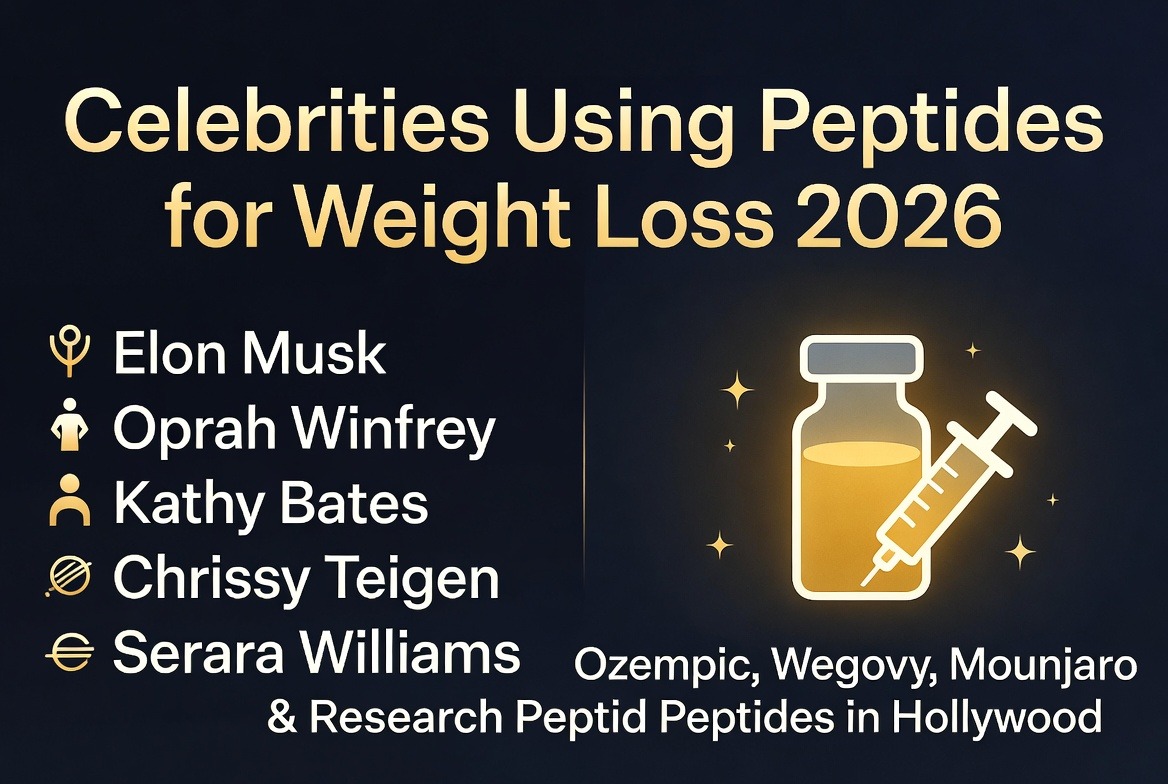
Most celebrities are using FDA-approved GLP-1 peptides such as Ozempic, Wegovy (semaglutide), and Mounjaro/Zepbound (tirzepatide) for weight loss. These medications were originally developed for type 2 diabetes but have become extremely popular in Hollywood due to their powerful appetite-suppressing effects.
| Celebrity | Medication Used | Source |
|---|---|---|
| Elon Musk | Wegovy + Mounjaro (said Mounjaro works better) | X (Twitter) & People Magazine |
| Oprah Winfrey | Prescription weight-loss medication (GLP-1) | People Magazine |
| Kathy Bates | Ozempic (lost 100 pounds) | People Magazine |
| Chrissy Teigen | Ozempic (started after miscarriage) | Her podcast (2025) |
| Serena Williams | GLP-1 medication (Ro) – lost over 30 lbs | Page Six |
| Amy Schumer | Tried Wegovy and Mounjaro | Instagram & interviews |
| Andy Cohen | Micro-dosing a GLP-1 drug | Page Six |
| Amanda Bynes | Ozempic (lost 28 pounds) | Page Six (Dec 2025) |
| Meghan Trainor | GLP-1 medication | People Magazine |
| Jelly Roll | Ozempic / Wegovy | People Magazine |
Other Peptides (Research Peptides)
Some celebrities also use non-FDA-approved research peptides (such as BPC-157, CJC-1295, etc.) mainly for recovery and anti-aging:
- Joe Rogan — Frequently praises BPC-157 for healing injuries
- Jennifer Aniston — Uses weekly peptide injections for skin and anti-aging
- Gwyneth Paltrow — Big fan of peptide shots
- Andrew Huberman — Discusses peptide therapies on his podcast
Frequently Asked Questions (FAQs) About Peptides
1. What are peptides and how are they different from proteins? Peptides are short chains of amino acids (usually 2–100), while proteins are longer chains (over 100 amino acids). Peptides are easier for the body to absorb and act faster as signaling molecules.
2. What are the main types of peptides? There are three main categories:
- Therapeutic peptides (FDA-approved drugs like semaglutide, insulin)
- Cosmetic peptides (used in skincare for collagen and anti-aging)
- Research peptides (BPC-157, CJC-1295, Ipamorelin, TB-500 – popular in wellness but not FDA-approved for most uses)
3. Are peptides safe? FDA-approved peptides are generally safe when prescribed by a doctor. However, many research peptides sold online have limited human safety data and carry risks such as injection site reactions, hormonal imbalance, and unknown long-term effects.
4. What are peptides commonly used for? They are used for diabetes management, weight loss, muscle recovery, injury healing, anti-aging, skin health, and hormone optimization. Approved peptides have strong clinical evidence; many research peptides rely on anecdotal reports.
5. Can peptides help with muscle growth and fat loss? Yes, certain peptides (especially growth hormone secretagogues like CJC-1295 + Ipamorelin) can support muscle growth, fat loss, and recovery by increasing natural growth hormone levels. Results vary and work best with proper diet and training.
6. What are the most common side effects of peptide therapy? Common side effects include redness or swelling at the injection site, headaches, fatigue, water retention, and nausea. More serious risks (especially with unregulated peptides) include immune reactions and hormonal disruption.
7. What is the best peptide stack for beginners? The most popular and relatively well-tolerated beginner stack is CJC-1295 + Ipamorelin. It supports natural growth hormone release with fewer side effects than older peptides. Always start under medical supervision.
8. Are peptides legal in the United States? FDA-approved peptides (like Ozempic or Forteo) are legal with a prescription. Most research peptides (BPC-157, TB-500, CJC-1295, etc.) are not approved for human use and are sold only for “research purposes.” Their legal status for compounding is still evolving in 2026.
9. How long does it take to see results from peptides? Most people notice initial changes in 2–4 weeks (better sleep, recovery, skin). Full benefits for muscle growth, fat loss, or injury healing usually appear after 8–12 weeks of consistent use.
10. Should I buy peptides online or get them through a doctor? You should only use peptides prescribed and sourced through a licensed healthcare provider. Buying from unregulated online vendors carries high risks of contamination, incorrect dosing, and legal issues.
Customer Reviews
Discover real user experiences and explore our products.

andrew david
"I haven't tried the products yet, but I can say ..."

Adam Hunt
"Pricey, yeah. But good quality. And with the Primobolan shortage ..."

Aafroze Aziz
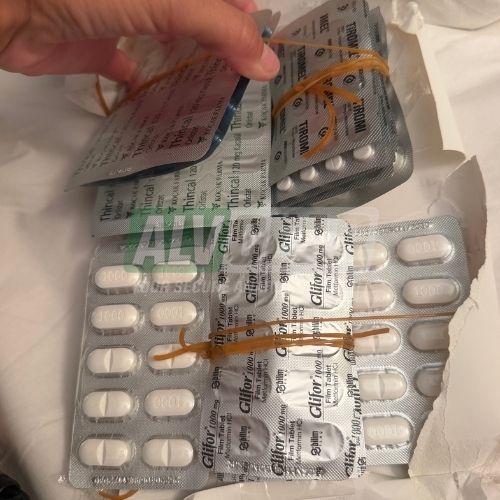
"I ordered Glifor and Tiromel i received in 15 days. ..."
Bill Lewis
"I got my order without problem took 9 days. It ..."

Benjamin Blouin
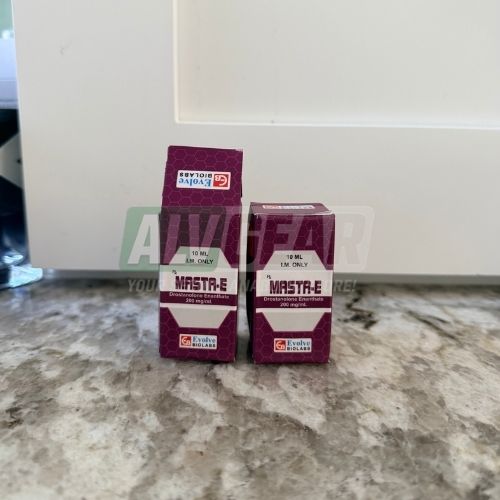
"I'm based in NY, and this shipped all the way ..."
Brice Huckaby
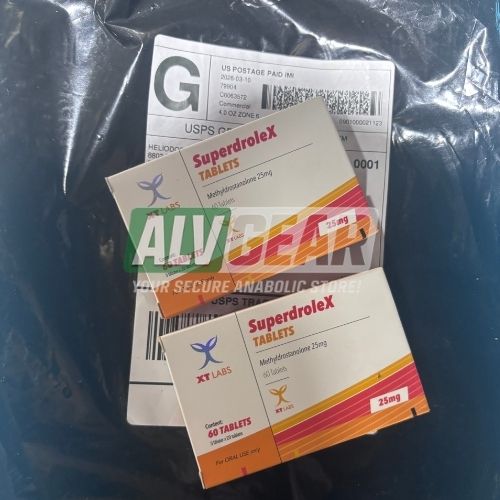
"i got everything in the time. I m glad guys! "
Roy tatum
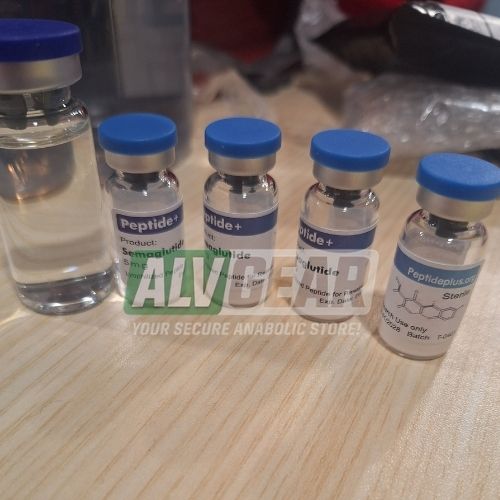
"Got my order in literally 2 days. Fast as fuck. ..."
(BON10039) GEORGE MICHEL
"I love this shop really. Always helpful and original products. ..."
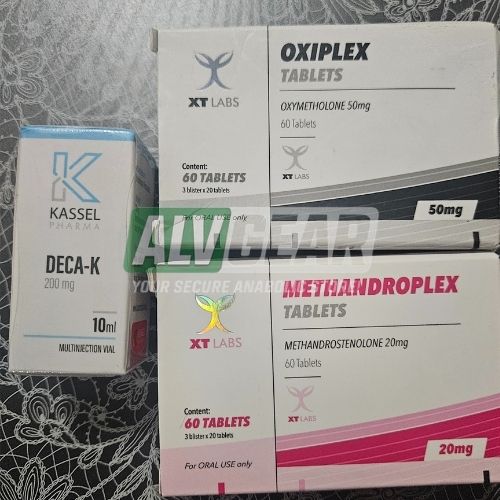
Andrew Tyler
"Good stuff, fast delivery and reliable source. "
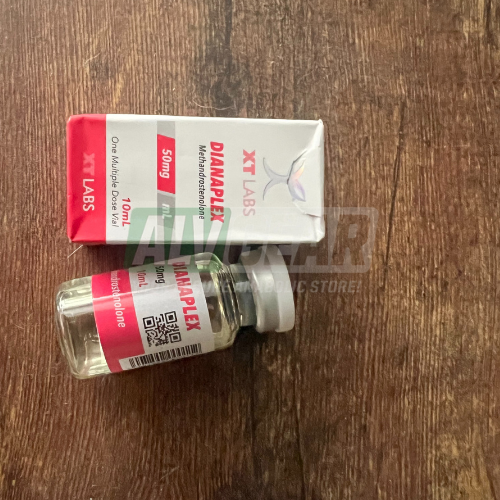
Alex Carr
"It's a triple-dosage product. The product works well and its ..."
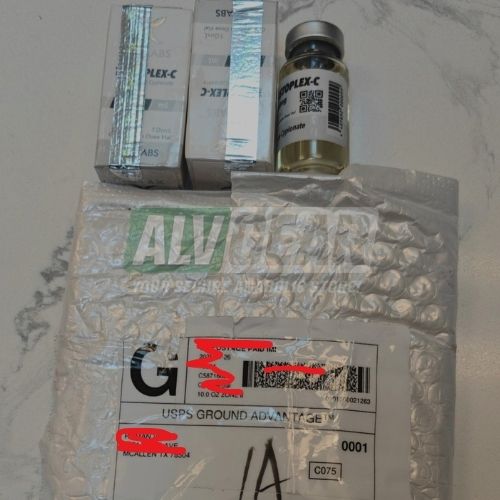
zackery harris
"Received my order us to us. It took 7 ..."
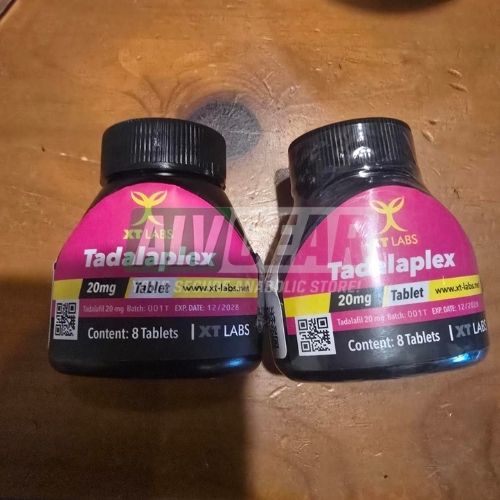
darlene de leon
"I live in Germany. My order was delivered within 8 ..."

CHRISTIAN PRESS
"I received my order in just 5 days, shipped via ..."
Megen Ostrowski
"Many thanks for your all help whole process. Got my ..."
Billy Teufel
"The delivery took 7-8 days. They shipped it via USPS. ..."
Aaron Pettry
"To get my parcel took 14 days via usps. Shipped ..."
benjamin Brown
"Yo, this Beligas Pharma Deca 500 is legit! My package ..."

Aaron Bowles
"To be honest shipment was a little bit late 2-3 ..."