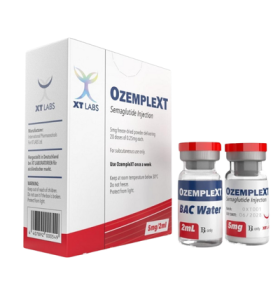
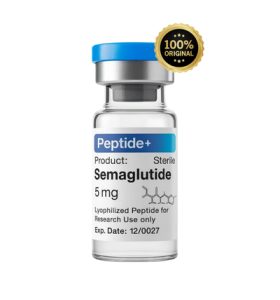
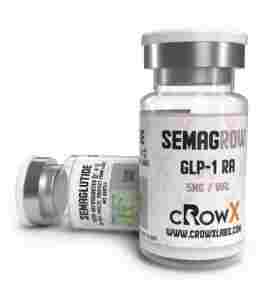
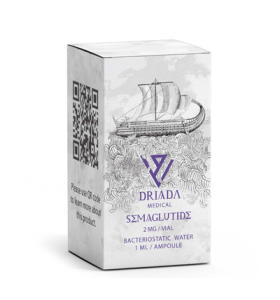
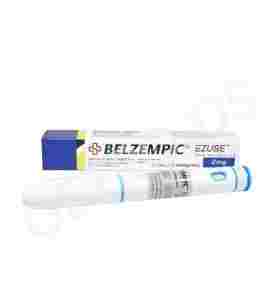
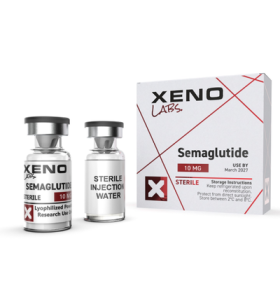
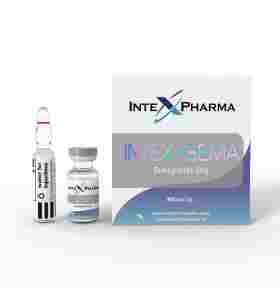
Buy Semaglutide Online – Premium Weight Loss & Diabetes Medication
Semaglutide (Ozempic): A Research Overview of GLP-1 Peptides for Metabolic Health
Semaglutide is a long-acting Glucagon-Like Peptide-1 (GLP-1) receptor agonist. While its initial clinical development focused on glycemic control in Type 2 Diabetes, extensive clinical research has identified it as a high-impact compound for chronic weight management and body recomposition. It serves as the active pharmaceutical ingredient in well-known formulations such as Ozempic and Wegovy.
Research Notice: This compound is intended for clinical research and laboratory use only. It is widely studied for its role in appetite regulation, insulin sensitivity, and long-term adipose tissue reduction.
Mechanism of Action: How Semaglutide Functions
Semaglutide is engineered to mimic the naturally occurring GLP-1 hormone. In a research setting, this peptide targets specific receptors in the brain and gut to modulate metabolic signals:
Appetite Regulation: May help suppress hunger cues and reduce food cravings by acting on the hypothalamus.
Delayed Gastric Emptying: May slow the rate at which the stomach empties, potentially increasing the duration of satiety (feeling full).
Insulin Modulation: Stimulates glucose-dependent insulin secretion while inhibiting glucagon, which may support more stable blood sugar levels.
Non-Stimulant Pathway: Unlike traditional thermogenic agents, Semaglutide operates via hormonal pathways rather than central nervous system overstimulation.
Observed Research Benefits for Fat Loss
Clinical data suggests that Semaglutide may assist in significant body weight reduction when combined with lifestyle interventions. Key observations in research include:
Sustained Caloric Deficit: Users in clinical trials often show a natural reduction in daily caloric intake without the psychological stress of "crashing."
Adipose Tissue Target: Research indicates that the majority of weight loss associated with GLP-1 agonists is derived from body fat rather than lean skeletal muscle.
Behavioral Modification: May help break cycles of impulsive or emotional eating by stabilizing dopamine responses to food.
Cardiovascular Markers: Some studies suggest potential secondary benefits, such as improved lipid profiles and reduced systemic inflammation.
Typical Clinical Research Dosage Protocol
In a research environment, titration is essential to minimize gastrointestinal sensitivity.
| Research Week | Potential Weekly Dose (Subcutaneous) |
| Weeks 1–4 | 0.25 mg (Initial loading/titration phase) |
| Weeks 5–8 | 0.5 mg |
| Weeks 9–12 | 1.0 mg |
| Maintenance | Up to 2.0 mg – 2.4 mg (As tolerated in research) |
Potential Side Effects and Researcher Observations
Most observed side effects are gastrointestinal and typically occur during the initial titration phase. These may include:
Nausea or Bloating: Most common during the first 4 weeks.
Digestive Changes: Potential for constipation or mild diarrhea.
Metabolic Fatigue: Often a secondary effect of reduced caloric intake.
Headaches: Occasionally reported during the first several doses.
Clinical Stacking and Research Synergy
In advanced research protocols, Semaglutide is often studied alongside other compounds to optimize body composition:
Muscle Preservation: Research frequently pairs Semaglutide with anabolic agents (such as TRT or mild SARMs) to ensure lean tissue is maintained during a significant caloric deficit.
Healing & Recovery: May be researched in a stack with BPC-157 to support overall systemic health and gut integrity.
Metabolic Resistance: Best results in clinical trials are observed when the peptide is utilized alongside a structured resistance training program.
Summary
Semaglutide represents a paradigm shift in metabolic research. By offering a hormonal rather than a stimulant-based approach to weight management, it provides a unique pathway for sustained fat loss and appetite control. Its efficacy, combined with a once-weekly administration schedule, makes it a primary tool for modern research into body transformation.
Disclaimer: This article is for informational purposes and intended for those conducting clinical research. Semaglutide is a potent pharmaceutical agent and should only be used under the direct supervision of a licensed medical professional.
Explore High-Purity Research Peptides and EU/UK Domestic Fulfillment at alvgear.com.