Antidepressants and Anabolic Steroid Use
Antidepressants and Anabolic Steroid Use: Risks, Interactions, and Scientific Facts
Anabolic steroid use has become increasingly common, especially in bodybuilding and performance enhancement. However, one of the most significant concerns is their impact on mental health. Many users experience severe depression, anxiety, irritability, and even suicidal thoughts during or — more commonly — after a cycle. This has led some individuals to turn to antidepressants for relief.
But is it safe to combine antidepressants with anabolic steroids? What does the science say about their interactions and risks? In this detailed article, we explore the topic based on available medical evidence.
How Anabolic Steroids Affect Mental Health
Anabolic-androgenic steroids (AAS) are synthetic derivatives of testosterone. While they promote muscle growth and strength, they significantly alter brain chemistry.
Key effects observed in studies and clinical reports include:
- During the cycle: Increased aggression (“roid rage”), irritability, anxiety, sleep disturbances, and mood swings.
- Post-cycle / PCT period: This is the most critical phase. Natural testosterone production is suppressed, leading to hypogonadism. This often triggers deep depression, fatigue, loss of motivation, and low libido.
- Many users describe a profound depressive state after stopping steroids, sometimes called the “black dog” of withdrawal.
Research consistently shows that men who use anabolic steroids have significantly higher rates of depression and anxiety compared to non-users.
Why Do People Use Antidepressants with Steroids?
There are two main reasons:
- Treating steroid-induced depression — especially during the post-cycle period.
- Managing pre-existing depression or anxiety while using steroids.
Clinical evidence, including case series, shows that fluoxetine (Prozac) and other SSRIs can be effective in treating depression caused by anabolic steroid withdrawal. In some reported cases, fluoxetine not only helped during withdrawal but also appeared to reduce symptoms even when individuals continued using steroids.
Risks of Combining Antidepressants and Anabolic Steroids
While major dangerous pharmacokinetic interactions are not commonly reported between most SSRIs and injectable testosterone or anabolic steroids, the combined risks are still significant:
| Risk Area | Description | Risk Level |
|---|---|---|
| Liver Toxicity | Oral steroids (e.g., Superdrol, Dianabol) + certain antidepressants increase liver strain | High |
| Cardiovascular Health | Both substance groups can negatively affect cholesterol, blood pressure, and heart health | High |
| Sexual Dysfunction | Steroids + SSRIs can worsen libido and erectile function | Moderate-High |
| Mood & Behavior | Overlapping effects on aggression, anxiety, and emotional regulation | Moderate |
| Serotonin Syndrome | Theoretical (rare) risk with certain combinations | Low |
Additionally, some users report that certain antidepressants may further lower testosterone levels, though more research is needed in this area.
What Does the Science Say?
- Animal studies have shown that repeated anabolic steroid administration can cause depression-like behaviors, reduced BDNF levels, and HPA axis disruption — effects that were reversed by antidepressants.
- Human case reports and series (including studies on fluoxetine) indicate that SSRIs can effectively treat anabolic steroid withdrawal depression.
- However, long-term safety data on the combined use of antidepressants and anabolic steroids remains limited.

Health consequences of anabolic steroids: a sexual-medicine perspective | International Journal of Impotence Research
Neuropsychiatric effects of anabolic steroids include aggression, depression, and anxiety — one of the most concerning categories of side effects.
Important Warnings and Recommendations
Never self-medicate. Combining these substances without medical supervision can be risky.
Best practices include:
- Evaluate your mental health before starting any steroid cycle. A history of depression increases the risks.
- Prioritize a proper and complete PCT (Post Cycle Therapy) to help restore natural hormone production and reduce post-cycle depression.
- If depression becomes severe, consult both a psychiatrist and an endocrinologist.
- Get regular bloodwork (testosterone, estradiol, liver enzymes, lipid profile).
- If you are already on antidepressants, speak with your doctor before considering any anabolic compounds.
Conclusion
While some evidence suggests that certain antidepressants (particularly fluoxetine) can help manage steroid-related depression, this does not make steroid use safe. The combination carries real risks to both physical and mental health.
The healthiest approach is to avoid anabolic steroids altogether if you have mental health concerns, or to seek professional medical supervision if you are already using them. Prioritizing proper recovery protocols and mental health support is far more important than short-term physical gains.
This article is for informational purposes only and does not constitute medical advice. Always consult qualified healthcare professionals before making decisions about medications or performance-enhancing substances.
Frequently Asked Questions (FAQ)
1. Is it safe to take antidepressants while on steroids? There are no major direct interactions reported with most common combinations. However, the combined burden on the liver, heart, and mental health can increase risks. Medical supervision is essential.
2. Which antidepressant works best for steroid-related depression? Fluoxetine (Prozac) has the most documented positive case reports for anabolic steroid withdrawal depression. Treatment must be personalized by a doctor.
3. Should I use antidepressants during PCT? Not always necessary. A well-structured PCT can reduce the severity of post-cycle symptoms. However, if depression is significant, professional psychiatric support (which may include medication) can be life-saving.
4. Can I stop antidepressants once I finish my steroid cycle? This depends on your individual situation and should only be done under medical guidance. Hormonal recovery and mental health stabilization must both be considered.

Mens Health Exam With Doctor Or Psychiatrist Working With Patient Having Consultation On Diagnostic Examination On Male Disease Or Mental Illness In Medical Clinic Or Hospital Mental Health Service Stock Photo -
Professional medical consultation is strongly recommended when dealing with mental health and performance-enhancing substances.
If you have personal experiences or specific questions about this topic, feel free to share them in the comments. Your health — both physical and mental — should always come first.
Customer Reviews
Discover real user experiences and explore our products.
andrew david
"I haven't tried the products yet, but I can say ..."

Adam Hunt
"Pricey, yeah. But good quality. And with the Primobolan shortage ..."

Aafroze Aziz
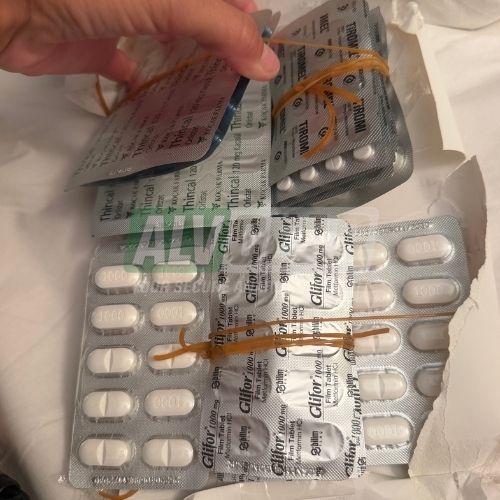
"I ordered Glifor and Tiromel i received in 15 days. ..."
Bill Lewis
"I got my order without problem took 9 days. It ..."

Benjamin Blouin
"I'm based in NY, and this shipped all the way ..."
Brice Huckaby
"i got everything in the time. I m glad guys! "
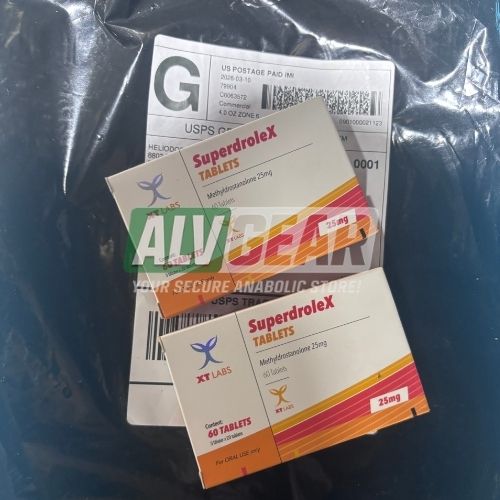
Roy tatum
"Got my order in literally 2 days. Fast as fuck. ..."
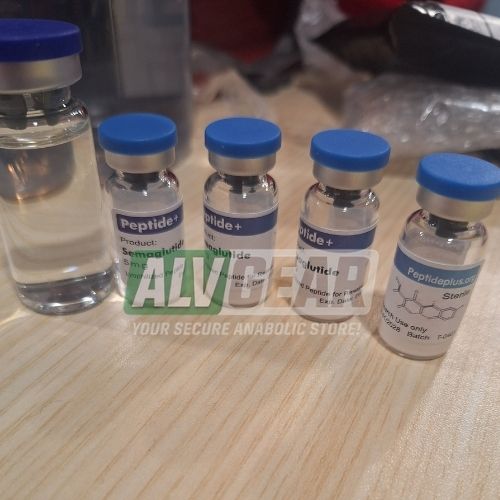
(BON10039) GEORGE MICHEL
"I love this shop really. Always helpful and original products. ..."
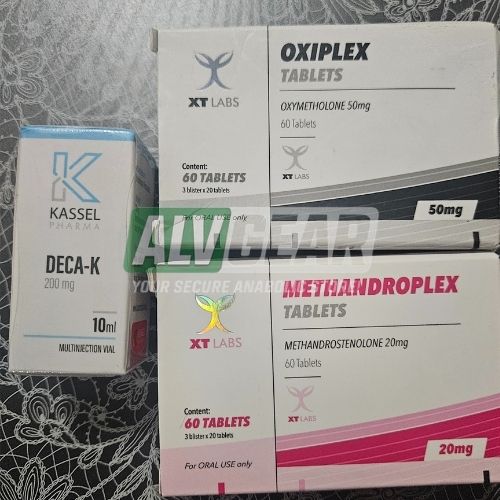
Andrew Tyler
"Good stuff, fast delivery and reliable source. "
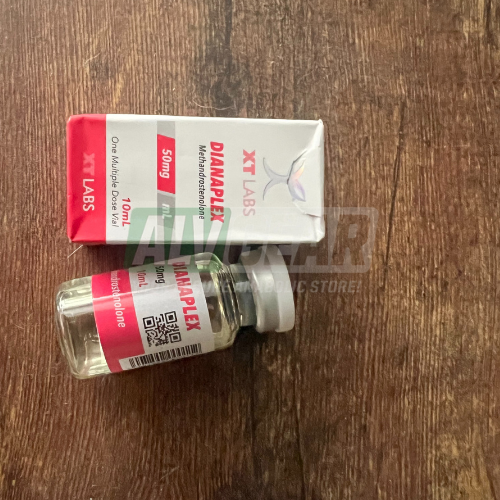
Alex Carr
"It's a triple-dosage product. The product works well and its ..."
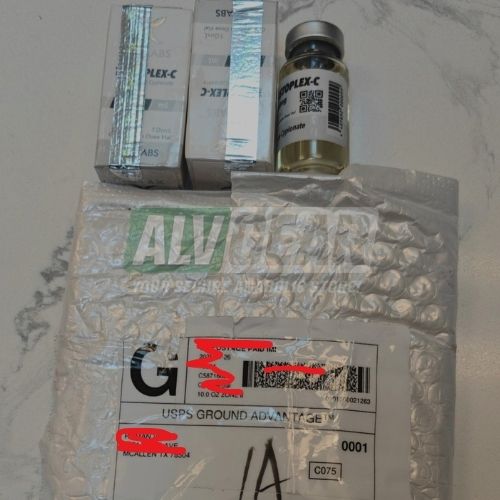
zackery harris
"Received my order us to us. It took 7 ..."
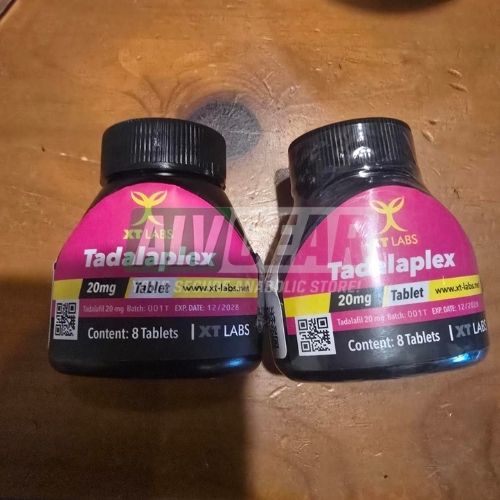
darlene de leon
"I live in Germany. My order was delivered within 8 ..."
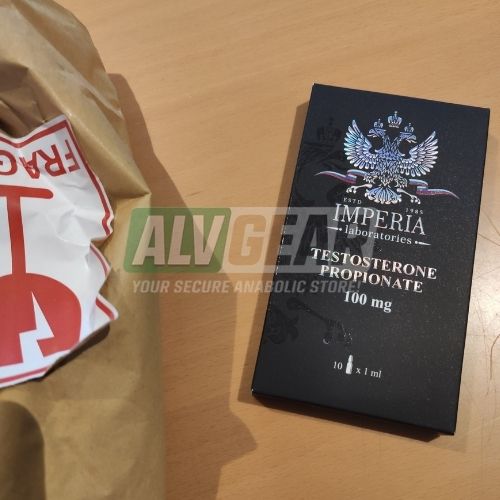
CHRISTIAN PRESS
"I received my order in just 5 days, shipped via ..."
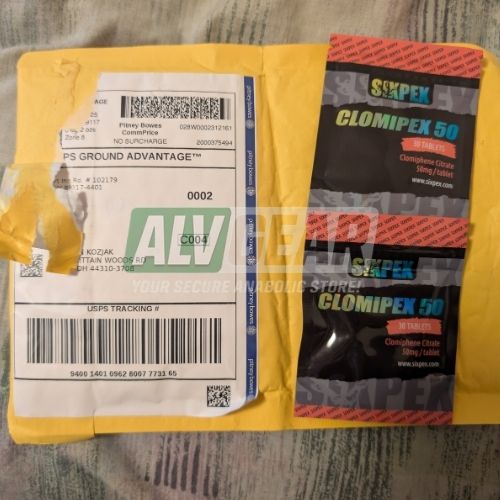
Megen Ostrowski
"Many thanks for your all help whole process. Got my ..."
Billy Teufel
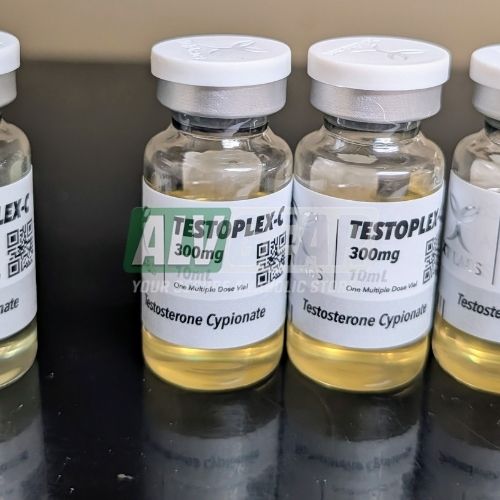
"The delivery took 7-8 days. They shipped it via USPS. ..."
Aaron Pettry
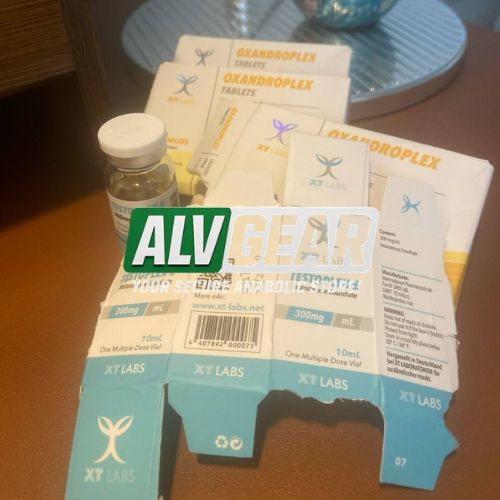
"To get my parcel took 14 days via usps. Shipped ..."
benjamin Brown
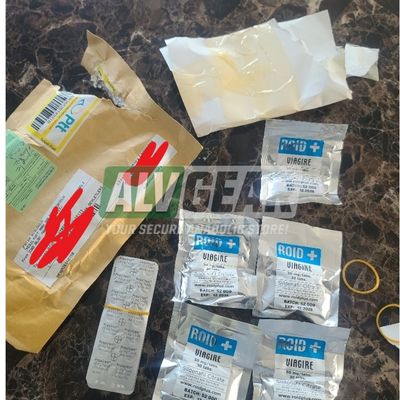
"Yo, this Beligas Pharma Deca 500 is legit! My package ..."
Aaron Bowles
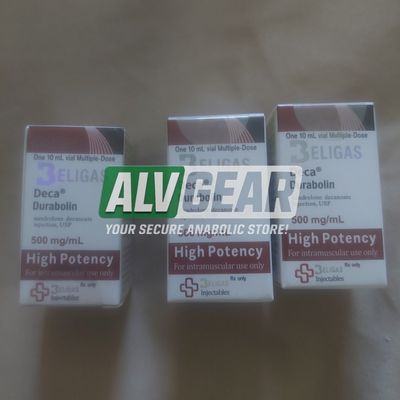
"To be honest shipment was a little bit late 2-3 ..."