TIRZEPATIDE 5 Deus Medical
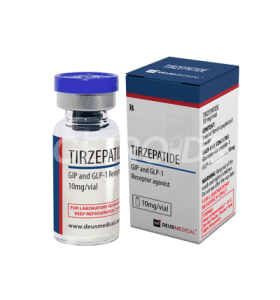


- Brand: Deus Medical
$35 flat rate
Crypto, Venmo, Zelle, Credit Card, WU
Your data is protected with the highest security standards.
⚠️ WARNING: Health Risks of Anabolic Steroids
Anabolic steroids significantly impact the body and require professional supervision. Improper use may cause serious health risks including hormonal disruptions, liver stress, heart problems, and mental health changes. Always source steroids from reputable suppliers and use them responsibly if you choose to proceed.
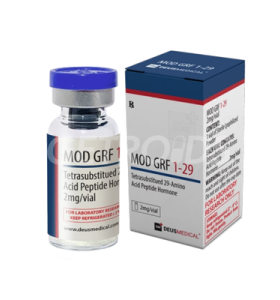
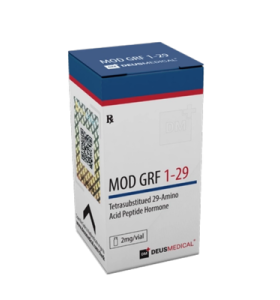
Tirzepatide 5 mg (Deus Medical): Advanced Dual-Agonist Peptide Research
Tirzepatide represents a significant evolution in metabolic pharmacology. As a dual-acting peptide, it is designed to mimic two endogenous incretin hormones, offering a synergistic approach to glycemic regulation and adipose tissue reduction that exceeds the capabilities of single-pathway compounds.
Research Status: While manufactured by Deus Medical for laboratory evaluation, Tirzepatide is the active pharmaceutical ingredient in clinically approved treatments for Type 2 Diabetes (T2D) and chronic obesity.
The "Twincretin" Mechanism: GLP-1 + GIP
The primary distinction of Tirzepatide is its dual agonism. While both hormones are secreted by the gut in response to nutrients, they play complementary roles:
GLP-1 (Glucagon-like Peptide-1): Focuses on slowing gastric emptying and signaling the brain's satiety centers to reduce food intake.
GIP (Glucose-dependent Insulinotropic Polypeptide): In Tirzepatide, GIP receptor activity is thought to improve insulin sensitivity and potentially modulate lipid (fat) metabolism more effectively than GLP-1 alone.
Key Investigational Benchmarks
Current research into the 5 mg concentration focuses on several physiological "pressure points":
Metabolic Re-programming: Studies examine how the dual-action approach shifts the body from glucose dependence toward efficient fat oxidation.
Appetite Suppression (Satiety): By acting on the hypothalamus, the peptide may "mute" the biological signals for hunger, making caloric deficits significantly easier to maintain.
Glucagon Suppression: It is hypothesized to prevent the liver from releasing unnecessary glucose into the bloodstream, a common issue in insulin-resistant profiles.
Lean Mass Preservation: A critical area of study is the use of high-protein protocols alongside Tirzepatide to ensure that weight loss originates from fat stores rather than muscle tissue.
Technical Data Sheet
| Feature | Research Specification |
| Molecular Class | GLP-1 & GIP Receptor Agonist |
| Manufacturer | Deus Medical |
| Physical State | Lyophilized (Freeze-Dried) Powder |
| Vial Concentration | 5 mg |
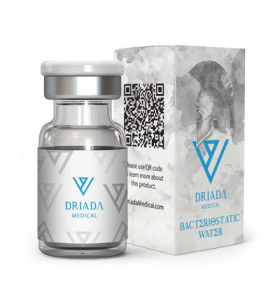
| Reconstitution Fluid | Bacteriostatic Water (0.9% Benzyl Alcohol) |
| Storage (Unopened) | 2°C to 8°C (Refrigerated) |
Observed Research Protocols
Note: These figures represent common clinical trial parameters and are not medical prescriptions.
Reconstitution & Dosing Logic:
Researchers typically use a U-100 Insulin Syringe for precise measurement after adding 1 ml of Bacteriostatic Water to the 5 mg vial.
Initial Phase (Weeks 1–4): 2.5 mg once weekly (50 units on a U-100 syringe).
Escalation Phase (Week 5+): 5 mg once weekly (100 units/full vial).
Safety and Contraindications
The potent nature of "Twincretins" requires strict adherence to safety screenings:
Gastrointestinal Distress: Most subjects report mild-to-moderate nausea during the first 48 hours post-injection as the body adjusts to delayed gastric emptying.
Thyroid Warning: Tirzepatide is contraindicated in subjects with a history of Medullary Thyroid Carcinoma (MTC) or MEN 2.
Pancreatic Health: Researchers monitor for signs of acute pancreatitis (severe abdominal pain), though this is statistically rare in most trials.
FAQ: Comparative Insights
1. Is Tirzepatide "stronger" than Semaglutide?
In clinical trials (such as the SURPASS trials), Tirzepatide generally demonstrated superior weight loss and HbA1c reduction compared to Semaglutide. This is attributed to the GIP component providing an additional metabolic "lever."
2. Why is it sold as a powder?
Peptides are fragile molecular chains. Lyophilization (freeze-drying) ensures the compound remains stable during shipping and storage. Once reconstituted with water, its shelf life is typically limited to 28–30 days under refrigeration.
3. Does the 5 mg dose lead to plateaus?
In research, 5 mg is often considered a "therapeutic floor." Depending on the subject's response, researchers may choose to remain at 5 mg or continue titrating upward (to 7.5 mg, 10 mg, or 15 mg) to avoid weight-loss stalls.