Tirzepatide vs Semaglutide vs Retatrutide 2026 Comparison: Weight Loss & Side Effects
Tirzepatide, Semaglutide, and Retatrutide Comparison
These three medications are all GLP-1-based drugs used for weight loss and type 2 diabetes treatment. They are administered as weekly injections and work by suppressing appetite, slowing gastric emptying, and regulating blood sugar. The biggest differences lie in their mechanisms of action and efficacy levels.

1. Mechanisms of Action (Receptor Agonism)
- Semaglutide (Ozempic, Wegovy): Single GLP-1 receptor agonist.
- Tirzepatide (Mounjaro, Zepbound): Dual GLP-1 + GIP agonist. GIP works synergistically with GLP-1 to enhance weight loss.
- Retatrutide (Investigational, Lilly): Triple agonist (GLP-1 + GIP + Glucagon), sometimes called "GLP-3". The addition of glucagon increases energy expenditure and leads to greater weight loss.
Retatrutide has the broadest mechanism of action.
2. Weight Loss Efficacy (Average Results from Clinical Trials)
| Drug | Average Weight Loss | Duration | Notes |
|---|---|---|---|
| Semaglutide | 15–20% (approx. 15–17%) | 68 weeks | Well-established, FDA-approved |
| Tirzepatide | 20–22% (up to 18–21%) | 72 weeks | Generally superior to semaglutide |
| Retatrutide | 24–30+% (28.3% at 80 weeks, 30+% at 104 weeks) | 48–104 weeks | Highest potential; some patients achieve >30% loss, approaching bariatric surgery levels |
- Tirzepatide is usually superior to semaglutide (20%+ vs 14–17%).
- Retatrutide leads in early Phase 3 results, but it is not yet FDA-approved and long-term data is limited.
Note: Individual responses vary. Some people respond better to semaglutide, while others see more benefit with tirzepatide or retatrutide.
3. Other Benefits
- Blood Sugar Control: All three are effective; tirzepatide and retatrutide are generally stronger.
- Cardiovascular & Metabolic Effects: All improve cholesterol, blood pressure, and liver fat. Retatrutide may further increase energy expenditure due to glucagon.
- Additional: Early data suggest retatrutide may have extra benefits for diabetic kidney disease and fatty liver.
4. Side Effects
All three have similar gastrointestinal side effects:
- Nausea, vomiting, diarrhea, constipation, and decreased appetite (most common).
- They usually start during dose escalation and improve over time.
Differences:
- Retatrutide has slightly more reports of nausea.
- Mild increase in heart rate (especially with retatrutide).
- Rare serious risks: Pancreatitis, gallbladder issues, thyroid tumors (black box warning for all GLP-1 drugs).
Safety: Semaglutide and tirzepatide have more robust long-term data. Phase 3 trials for retatrutide are ongoing.
5. Availability & Status (2026)
- Semaglutide & Tirzepatide: FDA-approved and available by prescription.
- Retatrutide: Not yet approved (promising Phase 3 results; expected around 2027).
Which One Is Better?
- Semaglutide: Reliable, well-proven, good choice for those seeking a more affordable option.
- Tirzepatide: Currently the best balance (greater weight loss + approved).
- Retatrutide: Potentially the most powerful, but not yet available and long-term safety data is pending.
Important Warning: These medications should only be used under medical supervision. Side effects, cost, availability, and your individual health conditions (diabetes, heart disease, etc.) will influence the decision. Do not start them on your own.
Side Effects Comparison
The following table summarizes approximate incidence rates (in percentages) from clinical trials. Rates can vary depending on the dose, titration (slow dose escalation), and individual factors. Most side effects are mild to moderate in severity, occur more frequently in the first few weeks and during dose increases, and tend to improve over time.
| Side Effect | Semaglutide | Tirzepatide | Retatrutide | Notes |
|---|---|---|---|---|
| Nausea | 20–44% | 20–40% | 28–60% (at higher doses) | Most common; slightly higher with retatrutide |
| Diarrhea | 20–30% | 20–35% | 15–33% | Common across all three |
| Vomiting | 10–24% | 10–25% | 17–26% | Increases with dose |
| Constipation | 10–20% | 15–25% | 15–25% | Slightly more common with tirzepatide and retatrutide |
| Abdominal Pain / Reflux | 10–20% | 15–25% | 10–20% | Similar |
| Decreased Appetite | Very common | Very common | Very common | Desired effect but can be excessive |
| Discontinuation due to side effects | 5–14% | 6–14% | 7–15% (early data) | Usually decreases with proper dose management |
General Observations:
- The most common side effects for all three medications are gastrointestinal.
- Nausea tends to be slightly more prominent with retatrutide. However, due to its glucagon effect, mild increases in energy levels or heart rate may also occur.
- Serious side effects (such as pancreatitis, gallbladder problems, or hypoglycemia risk) are rare and similar across all three drugs. They are contraindicated in people with a family history of thyroid tumors (medullary thyroid carcinoma).
Customer Reviews
Discover real user experiences and explore our products.

andrew david
"I haven't tried the products yet, but I can say ..."

Adam Hunt
"Pricey, yeah. But good quality. And with the Primobolan shortage ..."

Aafroze Aziz
"I ordered Glifor and Tiromel i received in 15 days. ..."

Bill Lewis
"I got my order without problem took 9 days. It ..."

Benjamin Blouin
"I'm based in NY, and this shipped all the way ..."
Brice Huckaby
"i got everything in the time. I m glad guys! "
Roy tatum
"Got my order in literally 2 days. Fast as fuck. ..."
(BON10039) GEORGE MICHEL
"I love this shop really. Always helpful and original products. ..."
Andrew Tyler
"Good stuff, fast delivery and reliable source. "
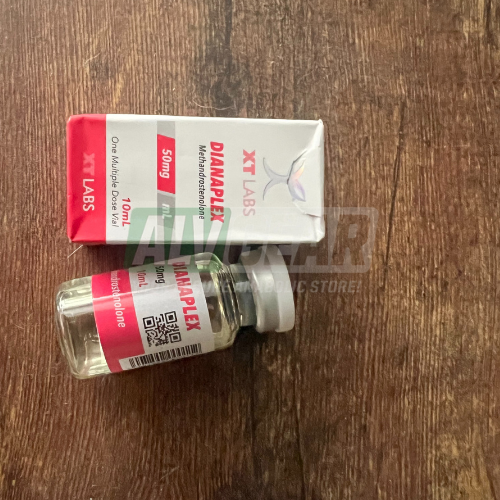
Alex Carr
"It's a triple-dosage product. The product works well and its ..."
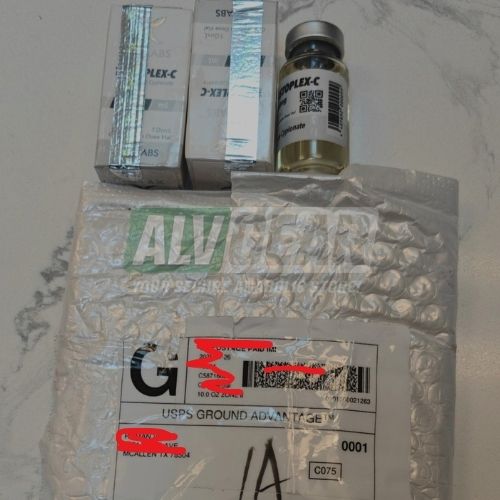
zackery harris
"Received my order us to us. It took 7 ..."
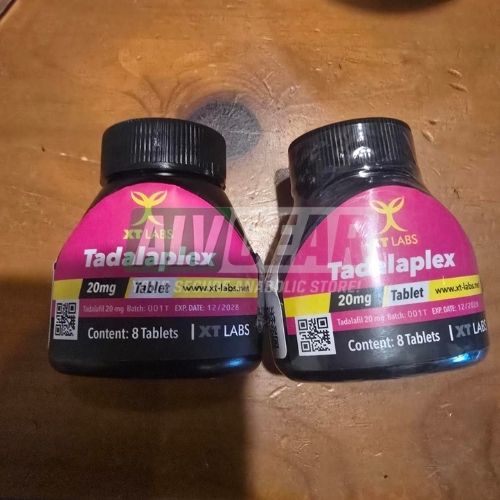
darlene de leon
"I live in Germany. My order was delivered within 8 ..."

CHRISTIAN PRESS
"I received my order in just 5 days, shipped via ..."
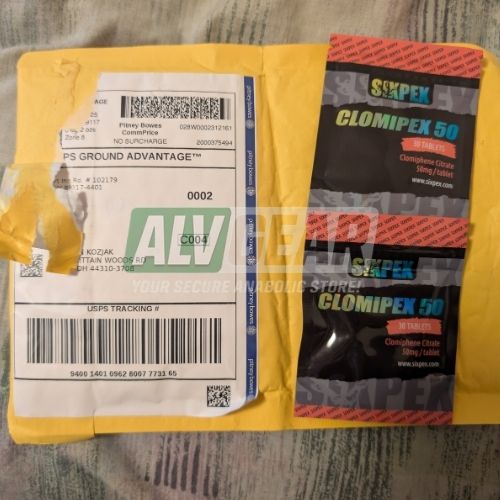
Megen Ostrowski
"Many thanks for your all help whole process. Got my ..."
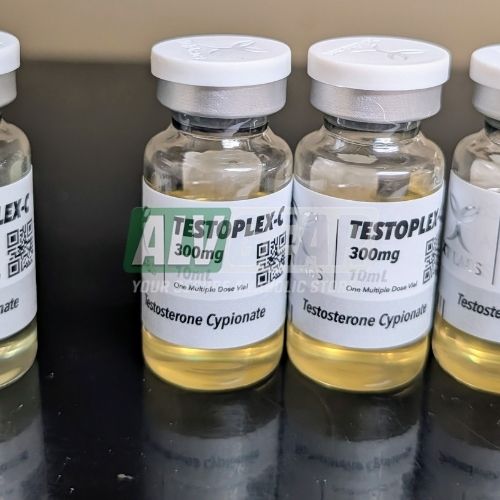
Billy Teufel
"The delivery took 7-8 days. They shipped it via USPS. ..."
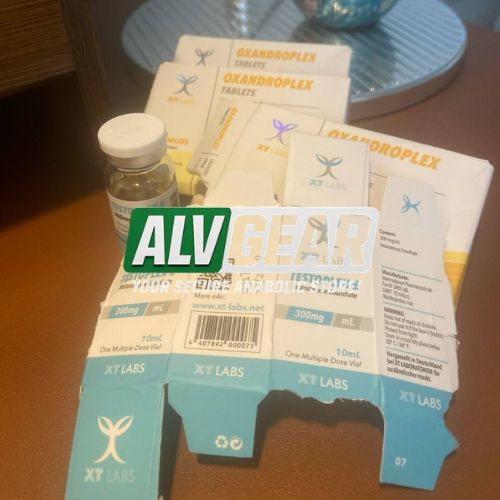
Aaron Pettry
"To get my parcel took 14 days via usps. Shipped ..."
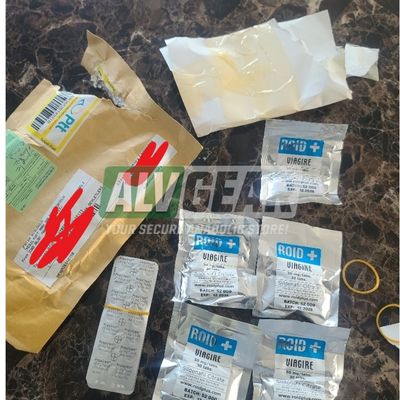
benjamin Brown
"Yo, this Beligas Pharma Deca 500 is legit! My package ..."

Aaron Bowles
"To be honest shipment was a little bit late 2-3 ..."