Buy Premium Peptides Online – Research & Performance Use | Worldwide Shipping
The Science of Peptides: A Complete Guide to Recovery, Fat Loss, and Muscle Growth
Peptides are short chains of amino acids that act as biological signaling molecules, instructing your body to perform specific functions—such as releasing growth hormone, repairing damaged tissue, or regulating appetite. In the realms of bodybuilding, medical wellness, and body recomposition, peptides offer a refined, "surgical" approach to performance enhancement with a generally lower systemic impact than traditional anabolic steroids.
At Alvgear.com, our curated selection focuses on clinically relevant compounds designed to optimize metabolic health, accelerate recovery, and support lean muscle development.
Core Categories of Peptide Therapy
1. Growth Hormone Secretagogues (GHRHs & GHRPs)
These peptides signal the pituitary gland to increase the natural production of Growth Hormone (GH).
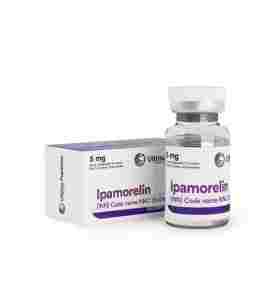
Common Compounds: CJC-1295, Ipamorelin, and GHRP-6.
Research Benefits: May assist in lean muscle accrual, deeper REM sleep, improved skin elasticity, and accelerated fat metabolism by elevating IGF-1 levels.
2. Metabolic & Weight Management Peptides (GLP-1/GIP)
Modern research has revolutionized fat loss through incretin mimetics.
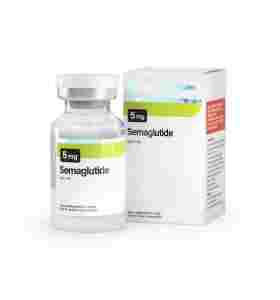
Common Compounds: Semaglutide and Tirzepatide.
Research Benefits: These may help drastically reduce food cravings, slow gastric emptying for prolonged satiety, and improve insulin sensitivity, making a caloric deficit significantly easier to maintain.
3. Healing and Tissue Repair Peptides
Known as "systemic repair" agents, these are essential for athletes dealing with nagging injuries.
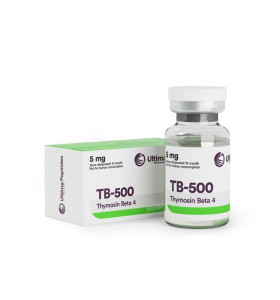
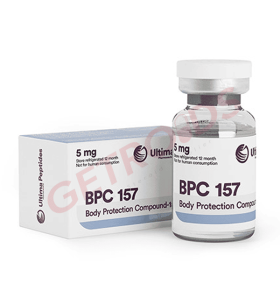
Common Compounds: BPC-157 and TB-500.
Research Benefits: Widely studied for their potential to accelerate the healing of tendons, ligaments, and muscle tissue while reducing systemic inflammation.
The Advantages of Peptide Integration
Targeted Precision: Unlike steroids, which have a broad androgenic effect, peptides are highly specific. You can target fat loss without affecting your natural testosterone or target healing without gaining unwanted weight.
Synergistic Performance: Peptides can be "stacked" to achieve multiple goals simultaneously—such as using BPC-157 for recovery while using Ipamorelin for muscle tone.
Improved Compliance: Long-acting analogues (like Tirzepatide) often require only once-weekly administration, making them highly convenient for busy professionals.
Longevity Focus: Many peptides are researched for their "anti-aging" properties, potentially improving bone density and cellular repair.
Potential Side Effects & Considerations
While peptides are often better tolerated than harsher compounds, researchers should be aware of potential reactions:
Digestive Sensitivity: Particularly with GLP-1 analogues, some may experience temporary nausea, bloating, or changes in bowel habits.
Water Retention: Certain GH-releasing peptides can cause minor edema (water swelling) or tingling in the extremities at higher doses.
Injection Site Reaction: Minor redness or irritation may occur at the subcutaneous injection site.
Hypoglycemia: Because some peptides influence insulin, monitoring blood sugar levels is recommended during intensive research cycles.
Strategic Usage & Research Stacks
To maximize the efficacy of peptide therapy, protocols should be goal-oriented and titrated slowly.
| Goal | Recommended Research Stack |
| Muscle & Recovery | CJC-1295 + Ipamorelin (The "Gold Standard" for GH release) |
| Rapid Fat Loss | Tirzepatide or Semaglutide (For maximum appetite control) |
| Injury Repair | BPC-157 + TB-500 (For synergistic soft-tissue healing) |
| Lean Recomp | Tesamorelin + Ipamorelin (Targeting visceral fat and muscle tone) |
Summary
Peptides represent the future of personalized performance and metabolic regulation. They offer a sophisticated edge for those seeking to transform their physique and health markers with a strategic, data-driven approach.
Disclaimer: All products mentioned are intended for clinical research and laboratory use only. Use should always be monitored by a qualified healthcare professional.
Subcategories